
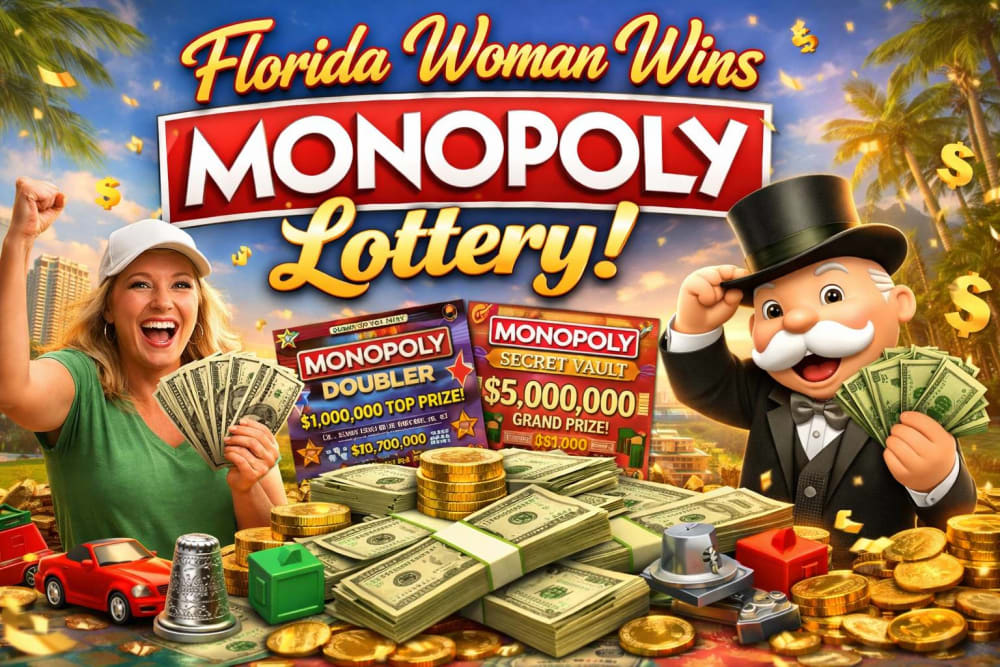
Stories like “Florida Woman Wins Monopoly Lottery” often capture attention because they sound both unusual and highly rewarding at the same time. In reality, these headlines are usually based on legitimate wins from themed scratch-off games, not a special standalone lottery system. The phrase becomes popular because it blends a familiar location with a recognizable brand, making it easy to share and discuss.
Understanding what these stories represent requires looking beyond the headline. Most of these wins are part of structured promotions run by organizations like the Florida Lottery using branded games such as Monopoly. While the outcomes are real, the way they are presented can sometimes create a misleading sense of frequency or accessibility.
What does this type of lottery win actually mean
A headline about a woman in Florida winning a Monopoly-themed lottery usually refers to a verified prize claimed through a state-run scratch-off game. These games are licensed versions of popular brands and follow the same regulatory framework as other lottery products. The winnings are real, documented, and publicly announced for transparency.
However, the wording can make it seem like a unique or rare event tied specifically to one person. In practice, similar wins occur across different regions and times. The focus on location and identity is more about storytelling than statistical significance.
It is also important to recognize that these announcements are part of standard lottery communication. State lotteries regularly publish winner details to maintain trust and demonstrate that prizes are being awarded. This is not a marketing gimmick but a regulatory requirement in many jurisdictions.
A common misunderstanding is assuming that such wins reflect increased chances or special opportunities. In reality, each ticket operates independently, and the odds remain fixed regardless of previous winners.
How Monopoly-themed scratch games work in practice
Monopoly-branded scratch cards function like traditional instant lottery tickets with added thematic elements. Players purchase a ticket, reveal symbols or numbers, and check if they match the winning criteria printed on the card. The branding adds familiarity but does not alter the underlying mechanics.
The prize structure is predetermined. A fixed number of high-value prizes, such as one million or five million dollars, are distributed across a large pool of tickets. Most tickets either win small amounts or nothing at all. This distribution ensures profitability for the lottery system while offering the possibility of large rewards.
The use of a well-known brand like Monopoly is designed to increase engagement. It creates a sense of recognition and entertainment, which can make the experience feel more interactive. However, this does not influence the probability of winning.
A practical mistake many people make is assuming that themed games are more generous than standard ones. In reality, the odds are clearly printed on the ticket, and they often align closely with other scratch-off offerings.
Are these wins common or rare events
These wins are both common and rare depending on how they are viewed. Individual jackpot wins are statistically rare, but when spread across an entire state over time, they occur regularly. This creates a steady stream of news stories that can give the impression of frequent success.
State lotteries release multiple winner announcements each month. When filtered through media coverage, only the most eye-catching stories tend to gain attention. This selective visibility can distort perception and make large wins seem more frequent than they actually are.
From a probability standpoint, the chances of hitting a top prize remain extremely low. The majority of participants will not experience significant returns. This is consistent across all lottery systems, regardless of branding or promotion.
Understanding this balance helps set realistic expectations. While wins do happen, they represent outliers rather than typical outcomes.
What should people understand before buying similar tickets
Anyone considering buying scratch-off tickets should first understand that they are a form of entertainment, not a financial strategy. The cost of participation should be treated as discretionary spending, similar to buying a movie ticket or attending an event.
It is also important to read the odds printed on each ticket. These figures provide a clear indication of the likelihood of winning different prize tiers. Ignoring this information often leads to unrealistic expectations.
Another key factor is emotional decision-making. Headlines about large wins can create urgency or excitement, encouraging impulsive purchases. Taking a step back and evaluating the situation logically can help avoid unnecessary spending.
A practical approach is to set a fixed budget and stick to it. This ensures that participation remains controlled and does not interfere with essential financial priorities.
How to evaluate the reality behind viral lottery headlines
Evaluating these headlines requires separating verified facts from presentation style. The core information, such as the prize amount and winner confirmation, is usually accurate. The framing, however, is designed to maximize interest and engagement.
Checking the source of the information is a reliable first step. Official announcements from state lottery organizations provide the most accurate details. Secondary reports may simplify or exaggerate aspects for readability.
It is also useful to consider context. A single headline does not reflect the broader statistical landscape. Looking at overall odds and total ticket distribution offers a more complete picture.
Finally, maintaining a critical perspective helps avoid misconceptions. Recognizing that these stories highlight exceptions rather than norms allows for a more balanced understanding of how lottery systems operate.
Conclusion
Stories about lottery winners in Florida tied to Monopoly-themed games are grounded in real events, but they are often shaped by how information is presented. These wins come from structured, regulated systems where outcomes are determined by fixed probabilities rather than chance patterns or trends.
A clear understanding of how these games function, combined with realistic expectations, allows readers to interpret such headlines accurately. Rather than viewing them as opportunities, it is more useful to see them as examples of rare outcomes within a controlled system.
FAQs
1. What does “Florida Woman Wins Monopoly Lottery” really mean?
It refers to women in Florida winning prizes from Monopoly-themed scratch-off tickets. These wins are real but represent rare, individual events. Headlines often make them seem more frequent than they are.
2. How do Monopoly scratch-off tickets work?
Players reveal symbols or numbers on the ticket to match winning combinations. The odds are predetermined, and prizes range from small amounts to jackpots. Branding adds fun but doesn’t affect winning chances.
3. Are big wins common in these games?
High-value prizes are rare, but small wins occur regularly. Media coverage makes jackpots appear more frequent than the odds suggest. Each ticket is independent of the others.
4. Should people buy these tickets based on viral news?
No, tickets should be treated as entertainment, not a financial plan. Headlines create excitement but don’t improve odds. Always check the odds and spend within your budget.
5. How can I verify if a lottery win story is real?
Look for official announcements from the Florida Lottery or other trusted sources. Media often exaggerates for attention, so checking the original report ensures accuracy.
Enjoyed this article? Share it with others!